
Two-Tier Encryption in Britain: Identical iPhones, Different Protection
Translated by a model; the original is in Russian.
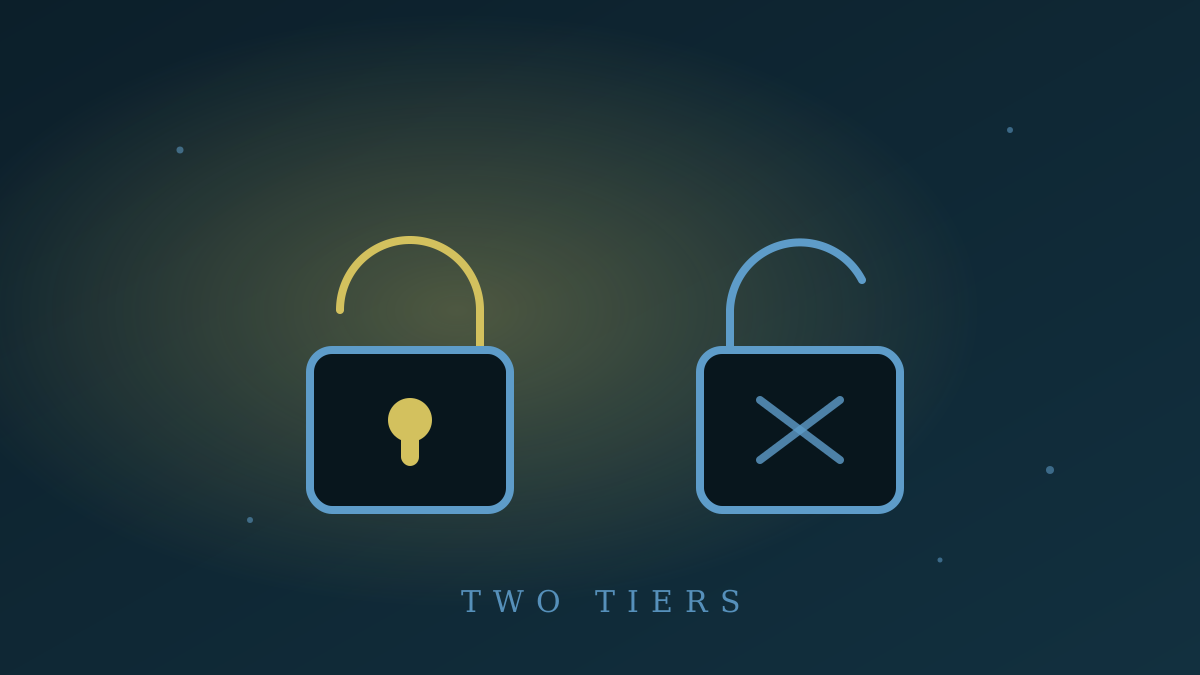
Picture two Britons. Alice and Bill own identical iPhones and pay Apple for the same services. But Alice has Advanced Data Protection (ADP) enabled, encrypting most of her iCloud data so strongly that even Apple cannot read it, while Bill cannot turn it on at all. The only difference: Alice activated the feature before February 2025, when Apple stopped offering it to new UK users. Bill missed the window.
How this came about
In February 2025 The Washington Post reported that the UK government had ordered Apple to provide access to data protected by iCloud's strongest encryption. The basis was the Investigatory Powers Act 2016 and its Technical Capability Notice (TCN) — a secret legal instruction requiring a technology firm to build or maintain the capability to hand over data under a future warrant. The recipient is generally barred even from confirming that such a notice exists.
According to the paper, the original demand covered not only British users but Apple customers worldwide. Apple has held to the line Tim Cook defended in 2015, when he refused to help the FBI break into the San Bernardino attacker's iPhone: any back door weakens security for everyone — "for good guys and bad guys."
A compromise that created inequality
All iCloud data is encrypted, but only some categories use end-to-end encryption to which Apple itself holds no keys. ADP extends that list — from 14 to 23 categories, including backups, photos and notes. Complying with the demand would have meant creating an access mechanism that hackers or hostile governments might also exploit.
Apple found a third path: instead of building a back door, it simply removed the feature. From 21 February 2025 ADP became unavailable to new UK users. But Apple cannot switch it off for those who already had it: by design, only a user's trusted devices can change the setting, and the company's servers cannot. Hence the "two-tier" outcome — Alice is protected, Bill is not, and there is nothing he can do about it.
The fight over secrecy
By late 2025 the global demand was narrowed to UK citizens, after the Trump administration pressed concerns about American users. In July 2026 Apple filed a fresh complaint at the Investigatory Powers Tribunal. In September, Senator Ron Wyden and Congressman Warren Davidson urged the tribunal to open its proceedings, warning that "foreign non-disclosure orders" being weaponized stops US firms answering to elected lawmakers. Apple's lawyers have asked to lift the gag so that "facts can be deployed in the open," while campaigners from Liberty and Privacy International call the secrecy "farcical" and compare it to "the emperor's new clothes."
The author recalls John F. Kennedy's warning that the very word "secrecy" is repugnant in a free society. The core problem, he argues, is technical: judicial oversight does not change the fact that any door for the authorised can be found and exploited by the unauthorised. The unfairness of Bill's position, he concludes, belongs not to Apple — forced to pick the least-bad option — but to the government that manufactured the dilemma.
Source: Hacker News
Comments
Sign in, to comment.