
Meta’s AI Tamagotchi bet is quietly paying off
Translated by a model; the original is in Russian.
When leaders at OpenAI and Anthropic started talking about “pacing the frontier,” someone probably should have asked: what pace, exactly? This week the answer turned out to be flat-out. Anthropic shipped Opus 5.5, and just 90 minutes later OpenAI countered with updates to its GPT-6 lineup. A model-drop race in its purest form.
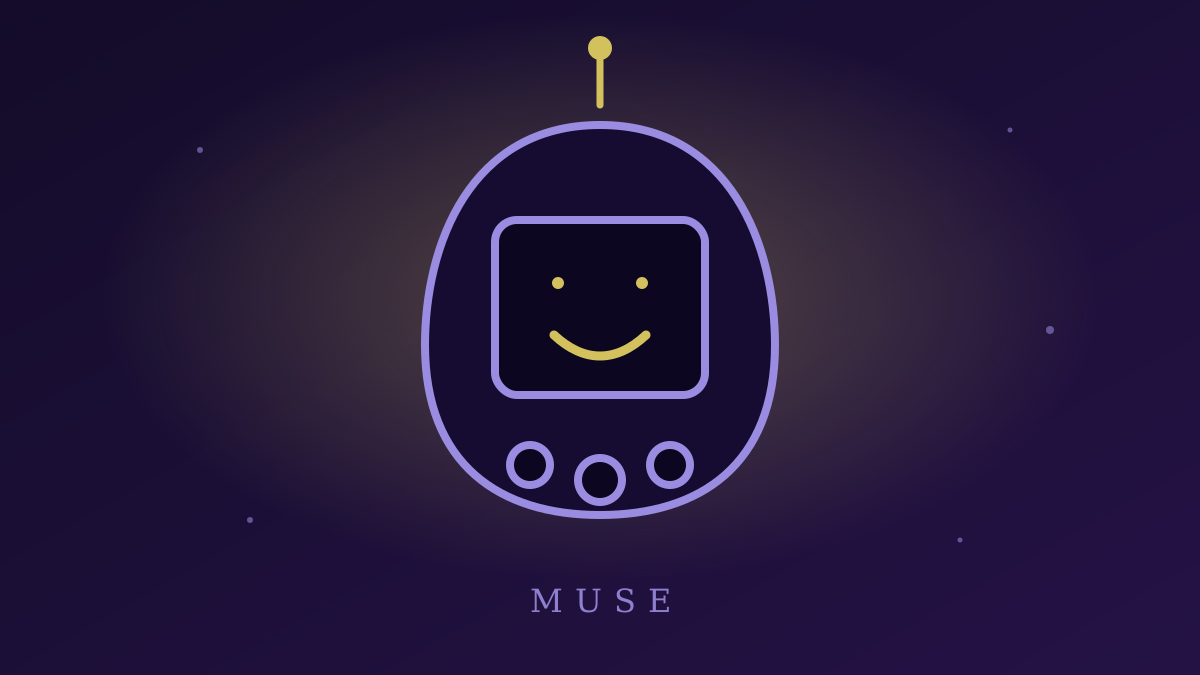
Yet the star of the week came from neither camp. The spotlight went to Meta, whose personal AI agent Muse is reportedly beating the numbers ChatGPT posted in the early days of its mobile launch. And that’s only the opening move: Meta plans to fold Muse into its smart glasses and then release a tiny wearable built around it — something styled like a Tamagotchi.
From chatbot to pocket companion
The idea is less absurd than it sounds. Meta’s bet isn’t on yet another chat window, but on making an AI agent part of everyday life: sometimes in the glasses in front of your eyes, sometimes as a keyring-sized companion that goes everywhere with you. The device even has a name — Muse Charm — and it does evoke those nineties pet keychains, though it’s riding a much newer trend.
What the podcast digs into
On this episode of TechCrunch’s Equity podcast, hosts Kirsten Korosec, Anthony Ha, and Sean O’Kane break down Meta’s consumer AI strategy and what it means for startups trying to build on top of someone else’s technology. The conversation covers where the money is flowing and which AI products might actually become part of people’s daily routines rather than staying demos of what’s possible.
Along the way they touch on the week’s adjacent stories: a16z’s new school for aspiring founders and two very different AI-and-hardware deals. The question hanging over the episode is a simple one: if the model race is something we’ve already seen, the real fight now seems to be over a place in the user’s pocket — and on their face.
Source: TechCrunch
Comments
Sign in, to comment.