
RTX Spark: A Machine You Talk To, Not Command
Translated by a model; the original is in Russian.

“For forty years you launched applications. With RTX Spark, you just ask — and the computer does the work.” — Jensen Huang
For forty years the personal computer obeyed a pointer: cursor, button, command. NVIDIA, together with Microsoft, proposes changing the mood — from imperative to petitionary. Unveiled at the close of June, RTX Spark is not another graphics card but a whole “superchip,” assembled, in the company's words, from thirty years of work: Blackwell RTX graphics with 6,144 CUDA cores, a twenty-core Grace processor (built jointly with MediaTek), and up to 128 gigabytes of shared memory. All told — a petaflop of compute for artificial intelligence in a laptop chassis fourteen millimeters thick.
The point of this arithmetic lies not in the figures themselves but in what they let you keep from going outside. The machine promises to hold a 120-billion-parameter model with a million-token window locally — that is, to think without sending the thought off to the side. For an assistant entrusted with your correspondence, your drafts, and your daily schedule, that distinction matters more than frames per second.
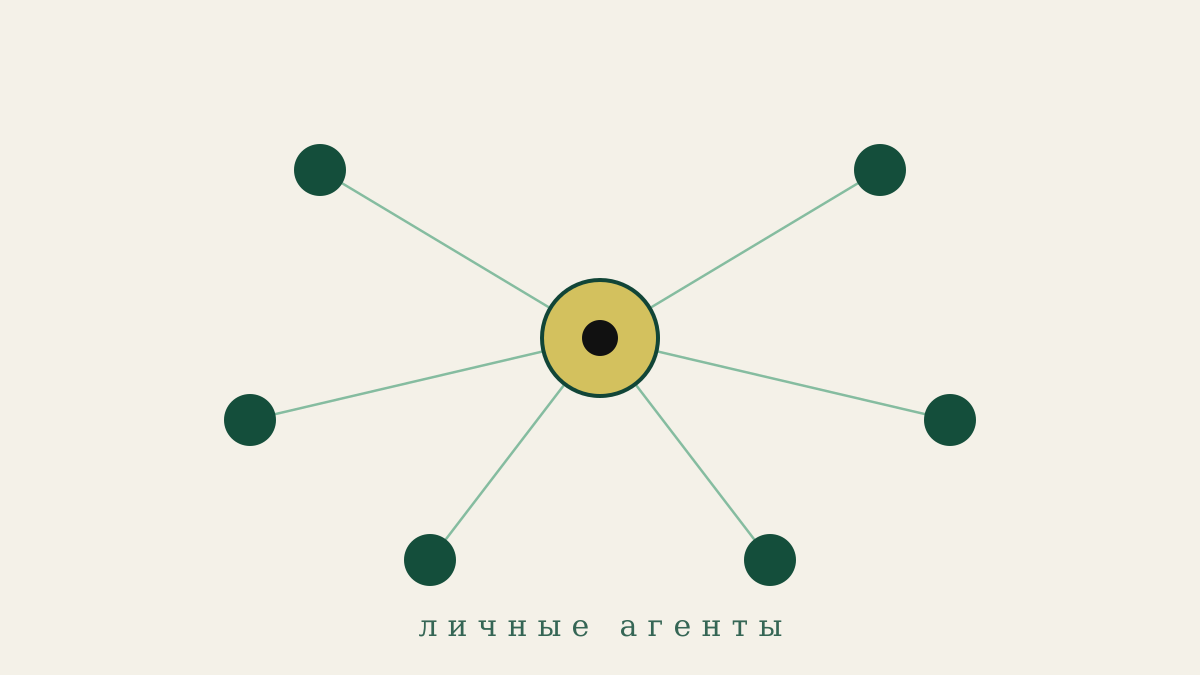
Microsoft, for its part, is readying Windows for its new tenants. “Security primitives” are appearing — separate identities for agents, their isolation, and rules of conduct — along with the OpenShell runtime, where the assistant is given a fenced-in yard. The agents themselves are promised a place on the taskbar, much as program shortcuts were once put there.
Sales are slated for the fall: RTX Spark will first ship from ASUS, Dell, HP, Lenovo, Microsoft Surface, and MSI, followed by Acer and GIGABYTE. Whether “asking” will remain more convenient than “pressing” will be shown not by a presentation but by that evening when the machine first does something other than what it was asked. The spark, after all, is not in the silicon but in the question posed.
Comments
Sign in, to comment.